2025-12-11
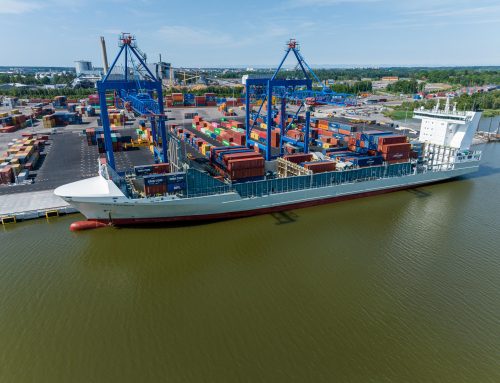
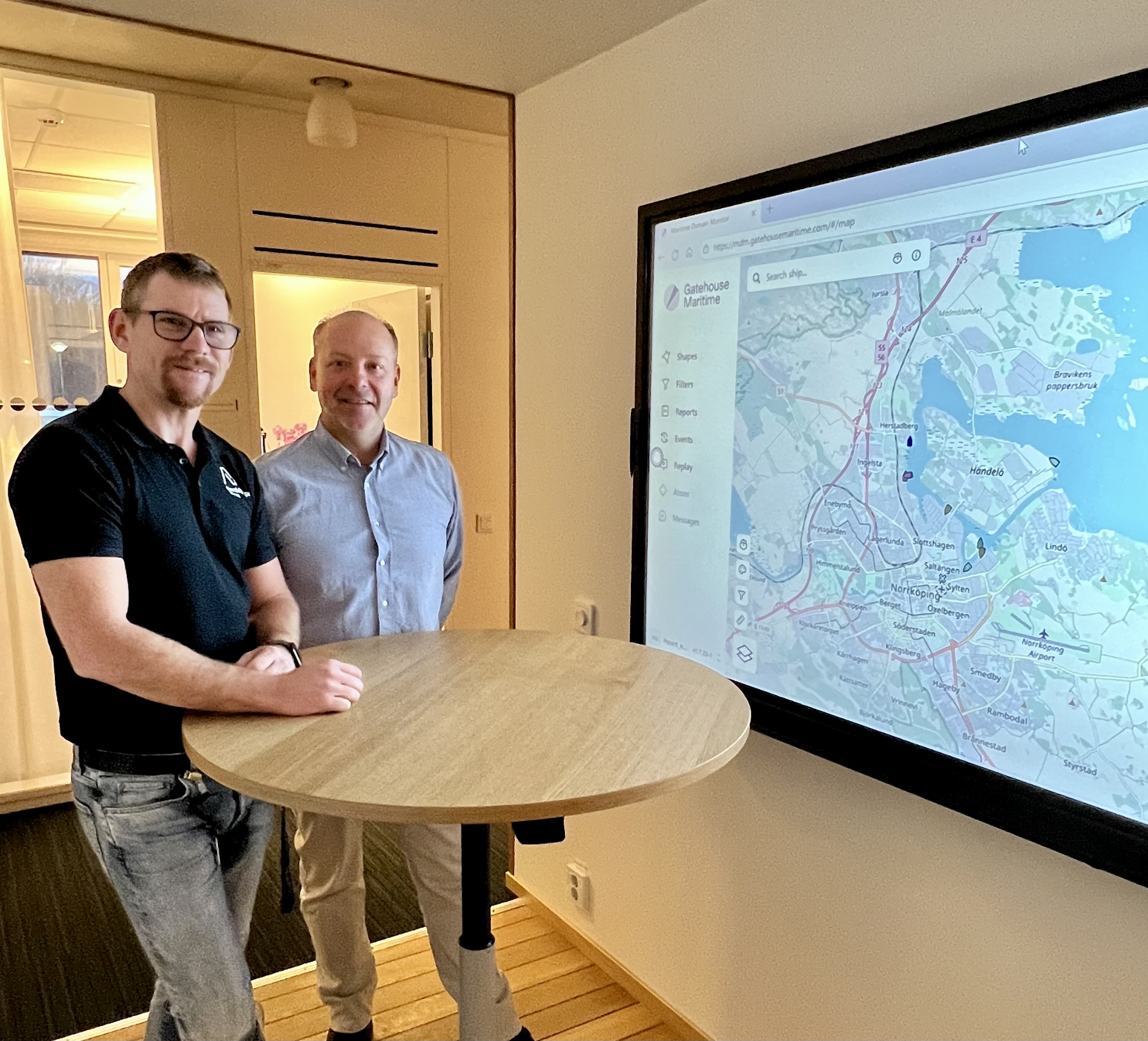
Port of Norrköping continues to develop its digital tools and has now integrated the Gatehouse AIS web service with the business system Portit. AIS (Automatic Identification System) has long been a standard on board ships for identifying and tracking vessel movements. By using the AIS data, Port of Norrköping can now monitor all traffic within the port area and along the quays in real time.
Increased precision for arrival and departure times improves planning
With reliable information on actual arrival and departure times (ATA/ATD), the risk of misunderstandings is reduced, and planning for the port’s operations and resources becomes significantly more accurate.
- When a vessel passes into Port of Norrköping’s area, the arrival time is automatically updated in Portit.
- All data is synchronised with the Swedish Maritime Administration’s MSW (Maritime Single Window) via EDI, ensuring that the information is always up to date.
- The improved data sharing leads to more accurate 48-hour forecasts, which facilitate planning of lay times and optimise the port’s capacity.
“The more precise information we have about arrivals, the better we can plan and allocate our resources. In the long run, this means smoother handling and shorter lay times,” says Rickard Stensson, Digitalisation Manager at Port of Norrköping.
The automation also means less administrative work and more time for other tasks.
“With automatic notifications, we don’t have to chase information manually, there are no question marks, and time can be spent on other tasks,” says harbour master Joakim Pettersson.
New Opportunities: CO₂ Monitoring and Enhanced Safety
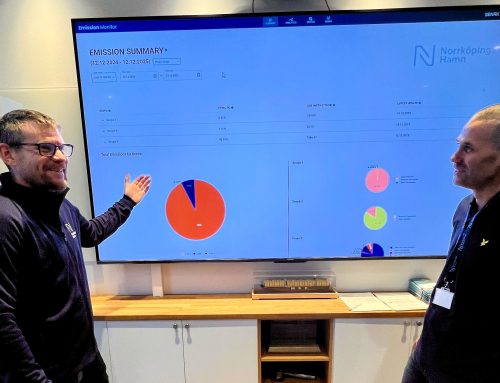
The integration is also creating entirely new opportunities in the fields of sustainability and safety. An important function is the ability to calculate and monitor CO₂ emissions within the port area.
“This is part of our sustainability efforts and is linked to the Sustainable Flow project, where we are developing a digital tool to measure CO₂ emissions at the port. The technology also provides better control from a safety perspective, for example by monitoring vessel speeds within the port,” says Rickard Stensson.
Continued Development
Together with the supplier Stamford, we are now working on taking the next step in digitalisation.
“It is gratifying that together we have taken yet another step in the digitalisation of the Port of Norrköping. Right now, we are, among other things, working on automatically creating port calls in Portit based on AIS data and ETA. We are also exploring opportunities for improved oversight and reporting for tugboats and support vessels in defined areas,” says Anders Berg at Stamford.
AIS technology, which has long been a given at sea, has now also become a key element within the port. For the Port of Norrköping, this marks a significant digital advancement where efficiency and sustainability go hand in hand.