2025-12-12
Port of Norrköping participates in the Sustainable Flow project, which is now taking a major step forward with the launch of a new digital tool that provides a consolidated and up-to-date overview of climate impact in ports. For the first time, data from the entire port operation can be analysed within a single system. Together with the other pilot ports, Port of Norrköping contributes both operational expertise and system data, ensuring that the tool is relevant and practically useful.
A comprehensive overview built on multiple data sources
The tool collects data from vessel calls, terminal systems, vehicles, energy use, fuel consumption and several other sources. Combined, these data sets create a complete overview of how flows within the port area impact the climate.
Research and modelling deliver more accurate figures
The tool is based on advanced calculation models developed by Satakunta University of Applied Sciences (SAMK), Tallinn Technical University and Fintraffic ANS. The models account for factors such as vessel type, energy carrier, cargo, operating conditions and national energy mixes. When these models are combined with the port’s own data, climate impact calculations become more precise and opportunities for improvement clearer.
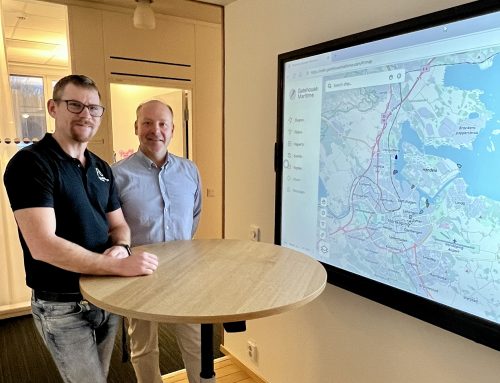
“Our integration with the Gatehouse to track vessel movements and speeds within our port area has been a key piece of the puzzle in our calculations. We can now use the tool to prioritise the right measures and make truly data-driven decisions,” says Rickard Stensson, Head of Digitalisation at Port of Norrköping..
Better planning leads to lower emission
With more up-to-date and consolidated data, ports can plan their operations more efficiently. Shorter waiting times and reduced berth times for vessels result in lower fuel consumption and, consequently, reduced CO₂ emissions.
Next step: integrating financial aspects into the climate model
The tool is currently being further developed with features that show which measures are most cost-effective. This makes it possible to assess both climate benefits and economic impacts within a single decision-making framework.
Sustainable Flow is becoming a shared platform that strengthens both climate ambitions and competitiveness. By combining data, models and analytical support, ports around the Baltic Sea can now plan, monitor and develop their flows in a more sustainable way.
“Being able to monitor actual emissions day by day and immediately see the effects of different measures is a real game changer. At present, the tool is used by the project’s ports, but the ambition is of course to make the platform available to any port that wishes to use it,” concludes Cathrin Merino, Project Manager for Sustainable Flow, Transportföretagen Sveriges Hamnar.
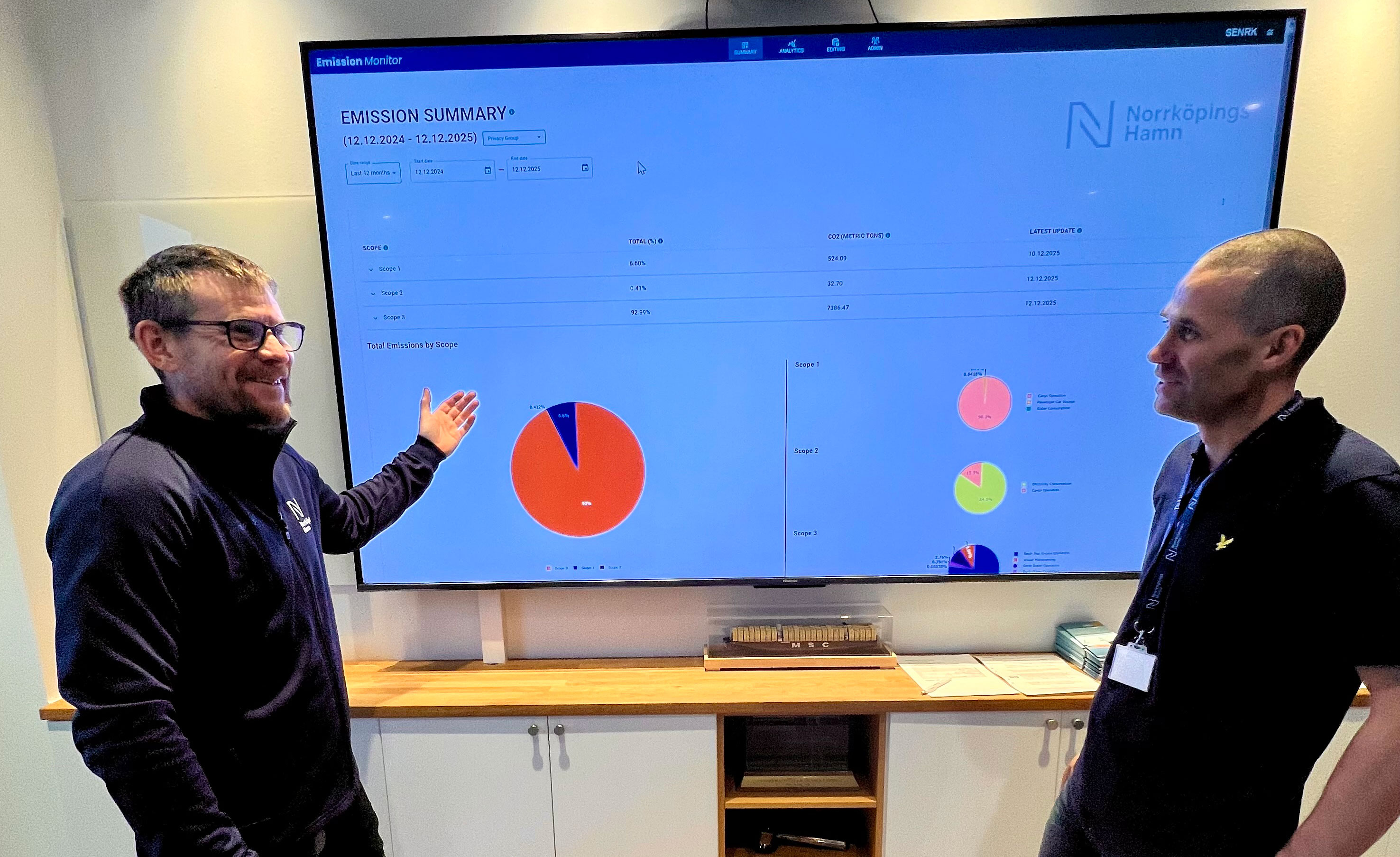
The images show how the tool visualises climate data at several levels. Image 1: Pie charts illustrate emissions within Scope 1, 2 and 3 in real time across the port area. Image 2: The upper graphs show a summary of CO₂ emissions for a selected time period and clearly highlight developments compared to previous periods. At the bottom, the effects of various initiatives and activities are displayed. This analysis section shows how specific measures influence total emissions.
Image 1:

Image 2:


About Sustainable Flow
Sustainable Flow is an EU Interreg project aimed at reducing CO₂ emissions from port operations in the Central Baltic region. Seven pilot ports are involved. The ports of Riga, Tallinn, From Sweden, Port of Norrköping and Port of Oxelösund participate through Transportföretagen Sveriges Hamnar, together with the Swedish Maritime Administration, SAMK, Åland University of Applied Sciences, the International Transport Development Association, Tallinn University of Technology and Fintraffic ANS.